
Aluminium frame melting line
The frame is the highest-value component a dismantling line produces, and the one most easily ruined. A melting line only works on frames that were re

| Stage | Equipment | Function |
|---|---|---|
| Shredding | Dual-shaft shredder | Reduces frame sections to a conveyable, evenly fed material |
| Decoating | Decoating furnace | Burns off silicone sealant and residual coating |
| Drum screening | Rotary drum screen | Removes dust and fines from the decoated material |
| Cleaning | Cleaning system | Separates residual ash and ferrous contamination |
| Melting | Melting furnace | Melts the cleaned charge and casts it for dispatch |
| Flue gas treatment | Pulse dust collector and spray tower | Treats particulates and acid gases from decoating and melting |

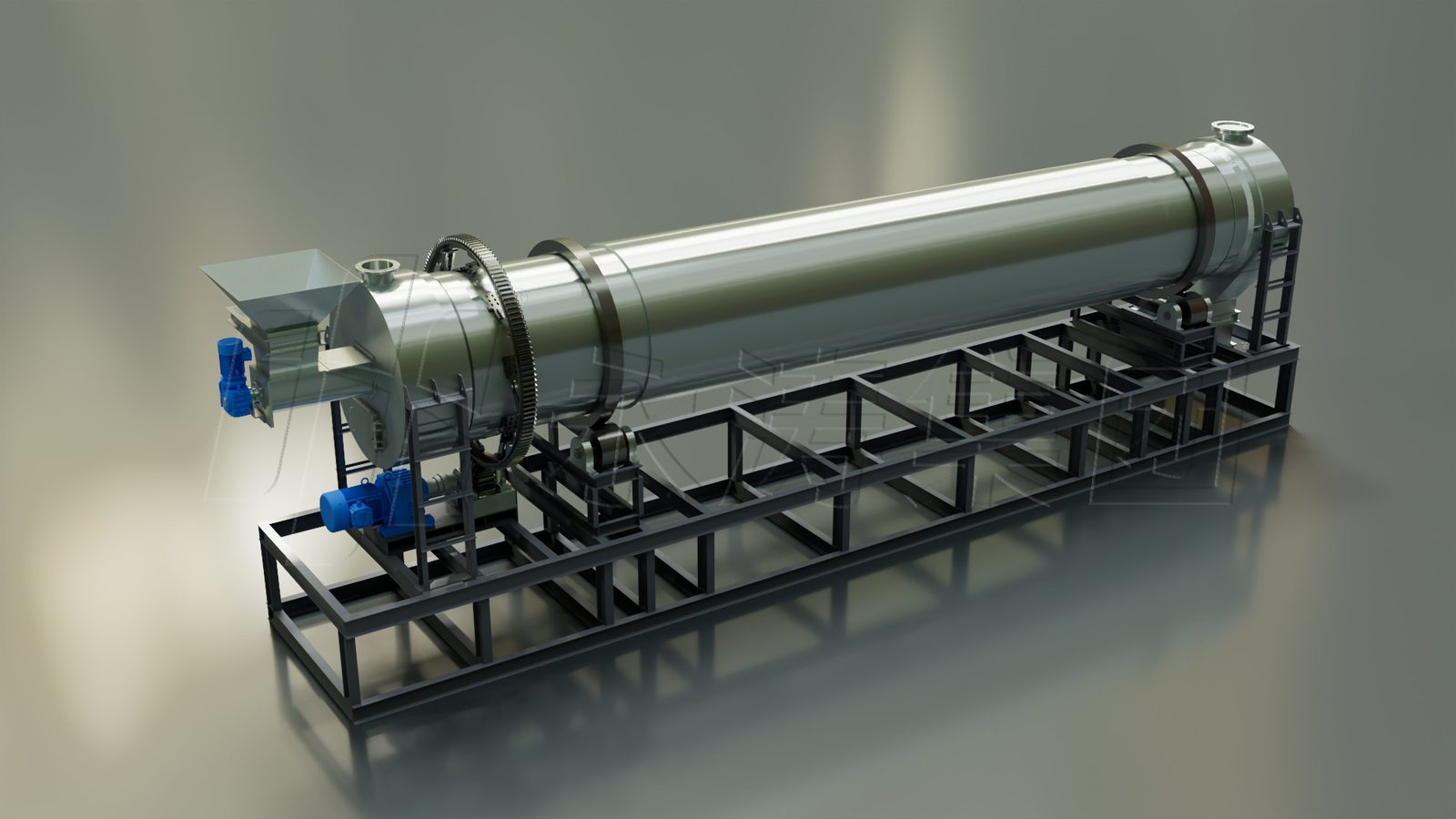

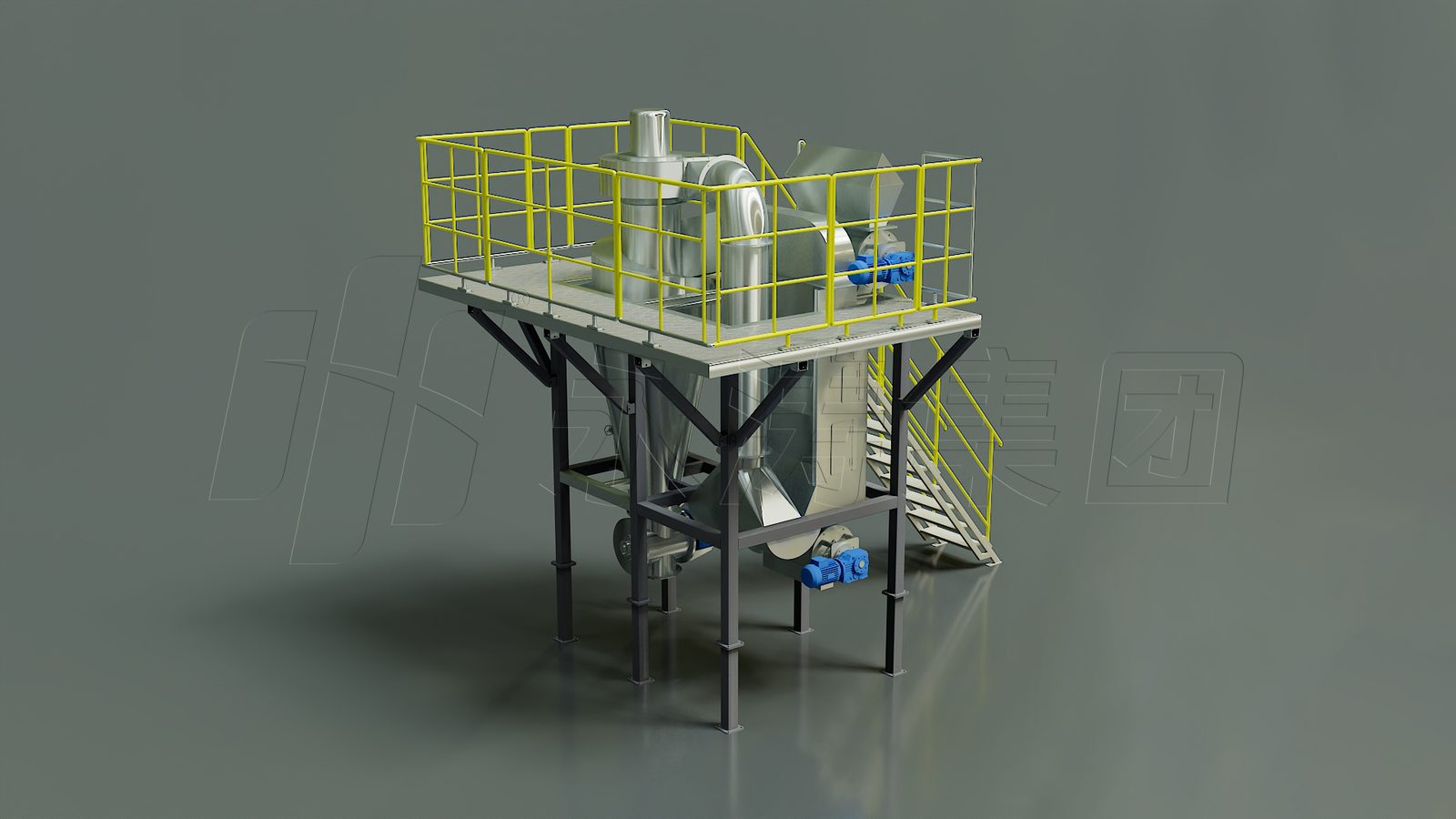


The line is sized from the frame tonnage your dismantling operation produces and from the cleanliness of the frames leaving it. Shredder configuration, decoating residence, screening cut and furnace capacity all follow from those two inputs, and the abatement scope follows from your permit conditions.
We confirm the configuration in writing against your own material rather than publishing a fixed table that would only be correct for one project.
Tell us how the frames are removed and what your remelt buyer has said about the material. That decides which pre-treatment stages the line needs.
Because they carry silicone sealant and glass fragments from the laminate and the cut faces. Both are contaminants a remelt operation will reject or penalise, and melting them with the metal produces more dross and a worse off-gas.
Yes, and it is configured to your permit. Decoating and melting both produce emissions, so the extraction, filtration and scrubbing train is a line item in the scope rather than an optional addition.
That depends on your frame output and on local metal prices rather than on a fixed threshold. Tell us your module tonnage and typical frame proportion and we will tell you what the line would see, and whether the scale justifies it.
The line is configured primarily for frame material. Whether it can also take other clean aluminium scrap is a configuration question, and it depends on the contamination you would be introducing.
Tell us what arrives at your gate and what has to leave. The engineering team replies with the station configuration, the scope boundary and the information still missing before drawings start.
Prefer to talk first? WhatsApp +86 182 0399 3035 or email [email protected].
Three details are enough to start: what modules you receive, how fast you need to process them, and what output you have to produce.