
Deep processing: what happens after the module has been dismantled
Dismantling produces fractions. Deep processing turns those fractions into products — or into a cost. This section covers the four routes that matter

A PV module frame is not clean metal. It arrives coated in the silicone sealant that bonded it to the laminate, and carrying glass shards from the corner joints and the cut faces. Both are contaminants a remelt operation will either reject outright or charge to deal with.
The melting line exists to remove them in a controlled sequence before the metal is melted. Doing that work in a furnace instead of ahead of it produces more slag, more dross, lower recovery and a worse flue gas stream — which is why the pre-treatment stages are the substance of the line and the furnace is only its last stage.

| Stage | Equipment | What it removes | Why it matters |
|---|---|---|---|
| Shredding | Dual-shaft shredder | Nothing yet — it prepares the material | Gives the downstream stages an even, conveyable feed |
| Decoating | Decoating furnace | Silicone sealant and residual coating | Produces most of the off-gas the flue gas train has to treat |
| Drum screening | Rotary drum screen | Dust and fines from the decoated material | Keeps fines out of the furnace and off the floor |
| Cleaning | Cleaning system | Residual ash and stray ferrous contamination | Prevents a quality problem at your customer rather than at your plant |
| Melting | Melting furnace | — | Clean charge means less dross and more predictable recovery |
| Flue gas treatment | Pulse dust collector, spray tower | Particulates and acid gases in the off-gas | Usually what the permit is actually written around |

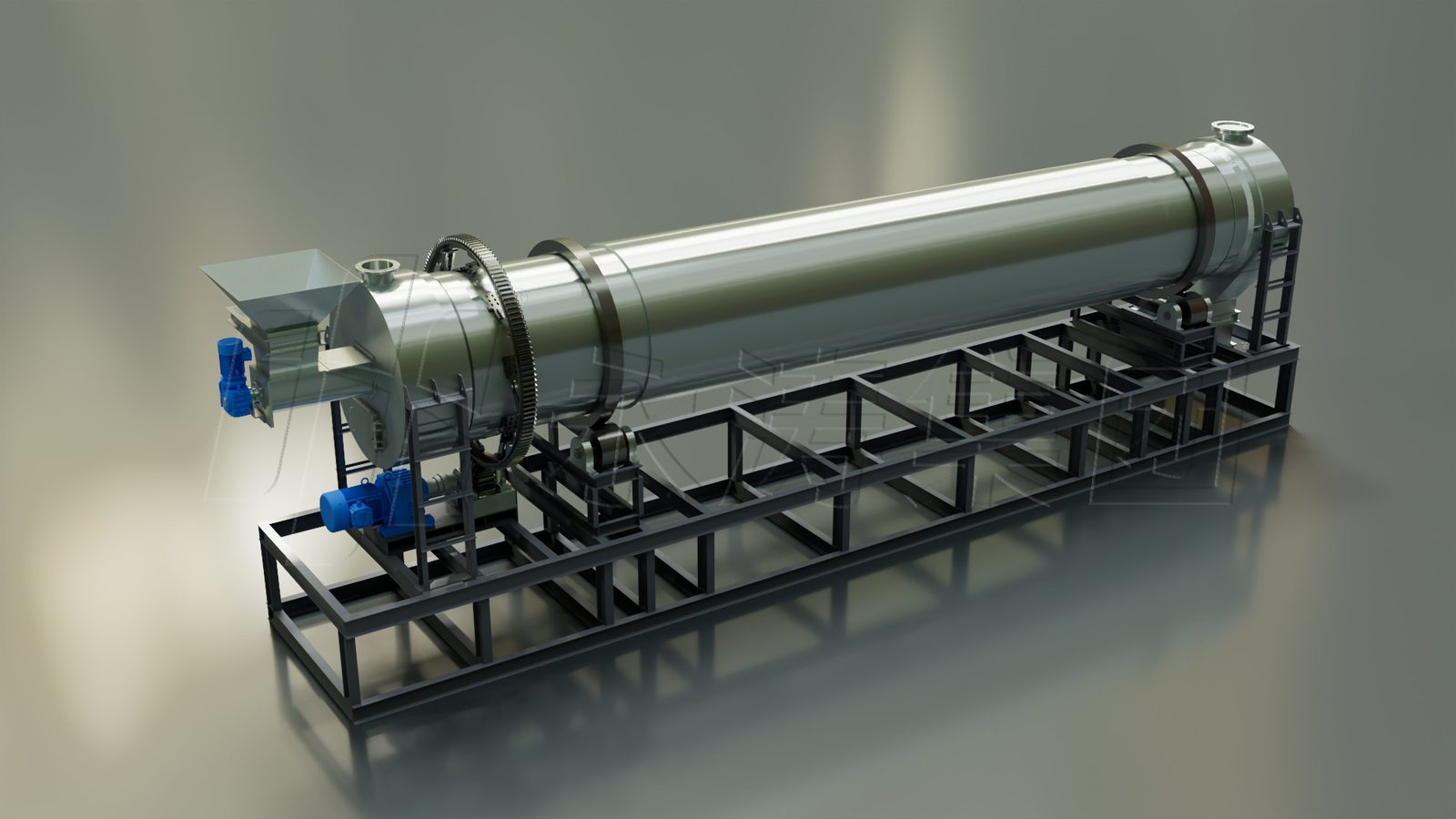


This line only works on frames that the deframing machine removed as frames. If a frame went through a shredder together with the laminate — which is what happens in a size-reduction-first plant — the aluminium arrives mixed with glass and encapsulant and the whole pre-treatment sequence is being asked to do a job it was not designed for.
That is the practical link between the front end and deep processing, and it is the reason we ask about the dismantling step before discussing a melting line. Our comparison of the two front-end strategies sets out the trade-off.
Tell us how the frames are removed and what a remelt operation has said about the material. That decides which pre-treatment stages the line needs.
Because they are not clean metal. Frames carry silicone sealant and glass fragments, both of which a remelt operation will reject or penalise. Melting without pre-treatment moves the contamination into the furnace, producing more dross and a worse off-gas.
It burns off the silicone and any remaining coating at controlled temperature. It is also the stage that produces most of the off-gas, which is why the flue gas treatment train is part of the line rather than an accessory.
The alloy itself is a standard framing alloy and is well suited to remelting. The variable is what it is carrying when it arrives — silicone, glass and dust. Clean it before melting and it is a straightforward secondary aluminium stream.
Not as a clean metal stream. Once a frame has passed through a shredder along with the laminate, the aluminium is mixed with glass and polymer and the pre-treatment stages are being asked to do work they were not designed for.
Tell us what arrives at your gate and what has to leave. The engineering team replies with the station configuration, the scope boundary and the information still missing before drawings start.
Prefer to talk first? WhatsApp +86 182 0399 3035 or email [email protected].
Three details are enough to start: what modules you receive, how fast you need to process them, and what output you have to produce.