
Automatic solar panel frame removal machine
The deframing machine that turns a framed module into a frameless laminate plus clean aluminium. Pneumatic positioning clamps square the module, the c
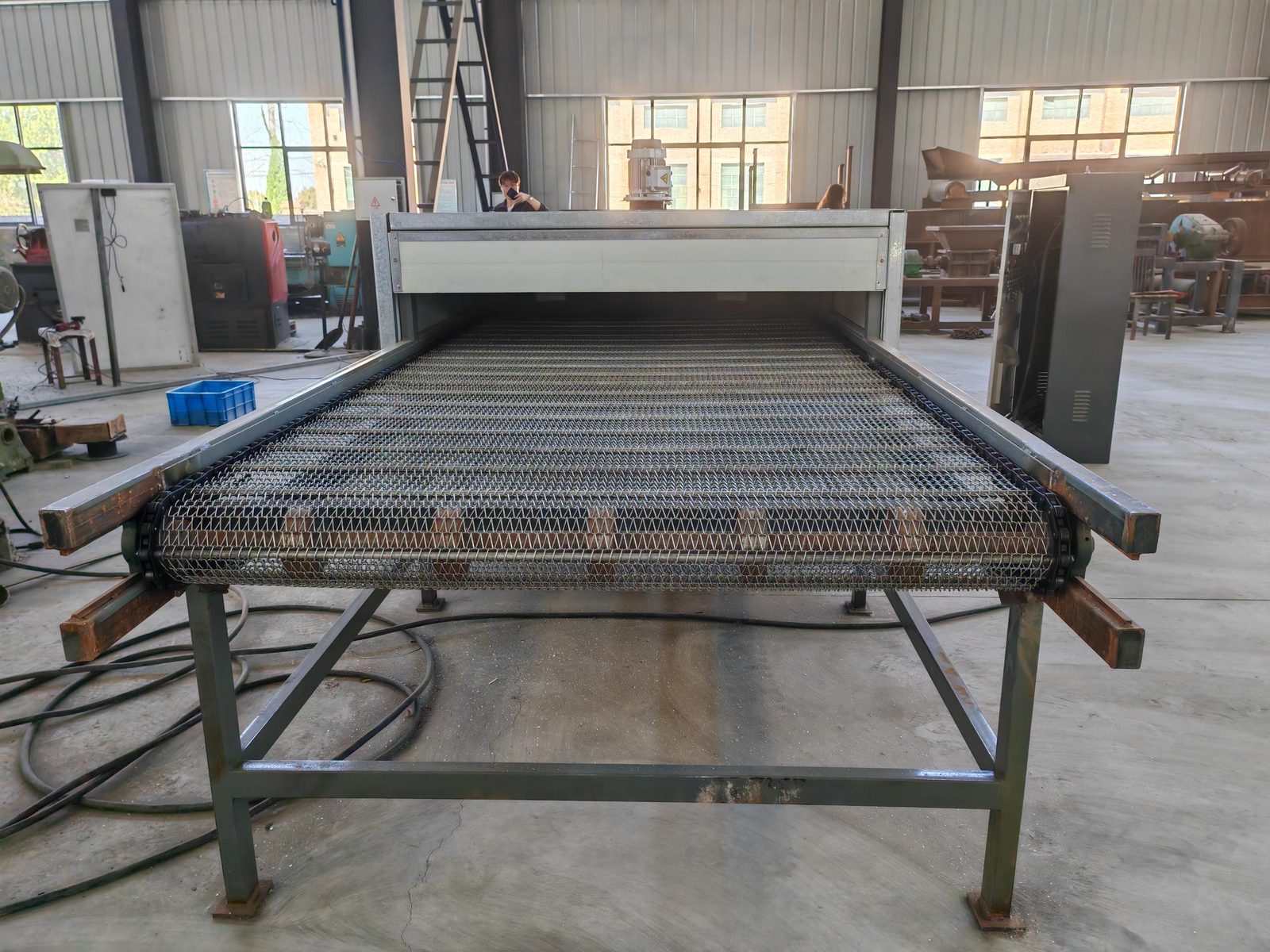
The glass removal machine takes a laminate that no longer has a frame or junction box and releases the glass from the encapsulant. On a conventional single-glass module that is one pane; on a double-glass module it is two, and the rear pane becomes a second glass stream that has to be collected separately from the front.
What comes out at the other end is a pane or panes of glass, a delaminated sheet with the cells and encapsulant, and a quantity of fines and fragments. How those three are split is the whole engineering question at this station.
Glass can be released quickly, with encapsulant still bonded to it, or slowly, with more of the laminate cleaned off. The first gives you a higher module-per-hour figure and a lower-grade output. The second gives you cleaner cullet and a slower line.
There is no universally correct setting, because the answer depends on what your glass buyer will accept. A processor feeding a float-glass operation has tighter requirements than one using cullet as an aggregate substitute. This is why we ask about the downstream outlet before we specify the station — and why a quote that does not ask is a quote that has guessed.


The glass removal station is configured to the feedstock and to the cullet specification, so the working parameters — pane size range, discharge arrangement, extraction and collection — are fixed at quotation stage from your module mix and your glass buyer's requirements. Rather than publish a table that would only be right for one project, we confirm the configuration in writing against your own sample description.
Tell us which module types you will feed and who buys the cullet. We will come back with the station configuration and the upstream requirements it depends on.
Mechanically, after the frame and junction box have been removed. The laminate is supported and the glass is released from the encapsulant, then collected separately from the cell sheet and the fines. The exact method and its settings are configured to the module type and to the glass specification the plant has to meet.
Yes, with a different configuration: two panes have to be released and collected rather than one, and the edge handling is gentler because there is glass on both faces of the laminate. Double-glass batches are normally run separately from single-glass batches.
You can, but the glass stream will carry aluminium fragments and the frame will be lost as a clean metal stream. That trade-off is sometimes acceptable for frameless feedstock, where there was never a frame to begin with — it is a different decision from deliberately skipping the step on framed modules.
It goes on to size reduction and separation. The cell fraction carries silicon with silver and copper from the ribbons, so how cleanly it is separated here affects what a downstream recovery buyer will accept.
Tell us what arrives at your gate and what has to leave. The engineering team replies with the station configuration, the scope boundary and the information still missing before drawings start.
Prefer to talk first? WhatsApp +86 182 0399 3035 or email [email protected].
Three details are enough to start: what modules you receive, how fast you need to process them, and what output you have to produce.